
The Oncoming Storm, Never Ignore Warning: A Critical Analysis of the Story
A storm is coming, and a man tries to warn his neighbor. But the neighbor only cares about his chickens. He laughs and does not listen. This is the story an 11-year-old is writing about. He looks at what happened next. He connects it to famous stories from the Bible, like Noah’s Ark. He asks big questions about pride, warnings, and why we listen to some people but not others. Most of all, he asks: what happens when we ignore a warning meant to save us? Read his surprising take on the story’s end and the powerful lessons he found inside.
YOUNG CEO SPOTLIGHTS
CEO Ayomipo Koublanou (11 Years Old)
2/9/20264 min read
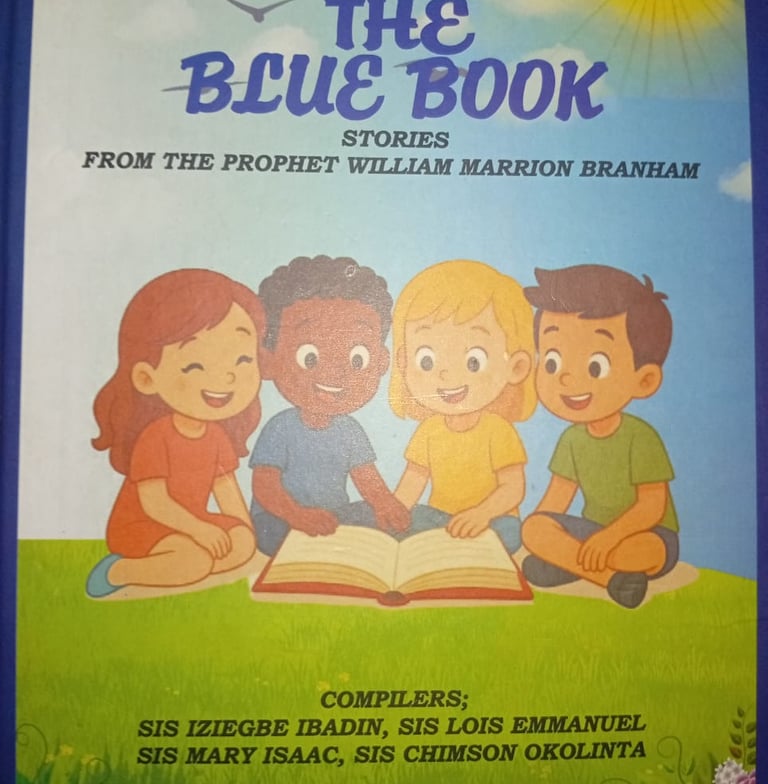
Written by Ayomipo Koublanou (11 Years Old)
The Oncoming Storm, Never Ignore Warning: A Critical Analysis of the Story
1. Introduction
Rev. William Marrion Branham, a prophet like John the Baptist, sent to this Laodicean age, preached a sermon titled The Oncoming Storm on February 29, 1960. And in the sermon, he told a story about the oncoming storm. The purpose of this critical analysis is to examine underlying themes by summarizing the story, rewriting the ending of the story, personal evaluation of the story, unanswered questions, personal reflection, literary devices used in the story, biblical connections.
2. Summary of the Story
The story is about a Christian man and a farmer who were neighbors. The farmer had chickens, and that was his occupation. One day, the Christian man heard on the radio that there was an oncoming storm, and he ran to inform the farmer. However, the farmer laughed it off and paid attention only to his chickens. As time went on, the sky grew dark, the wind howled, and the rain started pouring as if rivers were floating in the air. After the storm, the Christian man’s house was still strong and firm, but the farmer’s house was destroyed. They could not even find the farmer, and his family was bitten by venomous snakes and died.
3. A Rewritten Ending of the Story
This section presents an alternative ending of the story and explains its moral emphasis. Instead of the rescuers not finding the farmer, the farmer was found, but he was dead, and so was his family because he was proud. The Christian neighbor was very sorry for him, but he remembered when he warned the farmer and how the farmer thought only about his chickens and acted big, proud, and selfish. He did not even think about his family.
He also remembered how the farmer valued his chickens more than his family. He remembered how he told the farmer to come into his home for shelter because the farmer’s house might not be able to save them from the storm and because deadly and venomous snakes would be around. Despite all these warnings, the farmer did not think twice before taking the risk. After the Christian had thought about all these things, he realized that one has to listen to God. They then held the funeral, and the relatives of the farmer also came. That was the end of the story.
4. Biblical Connection
The story of The Oncoming Storm bears resemblance to some stories in the Bible and real-life events.
a. Connection between The Oncoming Storm and Noah’s Flood (Genesis 6)
We can see that The Oncoming Storm has a connection with what the Bible teaches us in the story of Noah in Genesis. The Oncoming Storm talks about how the Christian told the farmer to come into the house because a storm was coming, but the farmer mocked him, thought he was joking, and paid attention only to his chickens. The story of Noah also talks about how God was about to send a storm and warned the people for 120 years. God also told Noah to build an ark (which represents the house) so that everyone would be safe. Noah told them to come into the ark, but they were proud and paid attention only to their money, just like the farmer paid attention to his chickens.
b. Connection between the Oncoming Storm and Jesus Calming the Storm (Mark 4:35–41)
The story of The Oncoming Storm also has a connection with what the Bible teaches us in the story of Jesus and His disciples in the sea. The Oncoming Storm talks about how the Christian told the farmer to come into the house because a storm was coming, but the farmer mocked him and paid attention only to his chickens. The story of Jesus and His disciples in the sea talks about how Jesus and His disciples were on a ship when a storm arose. Peter woke Jesus up, and Jesus calmed the storm by saying, “Peace, be still.”
5. Personal Evaluation of the Story
What I Liked About the Story
I like the story of The Oncoming Storm because it was interesting. By interesting, I mean it was fun to read, it has biblical connections, and it provides several lessons to learn.
Lessons Learnt and Application to Life:
Some of the lessons learned from the story are as follows:
Always take heed to warnings to avoid trouble, just as the farmer brought trouble upon his family by not heeding warnings.
Do not be proud, like the farmer who was proud.
Do not let the spirit of stubbornness take over you, just as the farmer allowed stubbornness to lead to his death.
Do not be selfish, like the farmer who thought only about his chickens and forgot about his family.
Give God your all, just like the Christian neighbor who gave his all to warn the farmer to leave his house and come to his shelter.
Build your house on the rock, just like the Christian neighbor’s house that was strong and firm.
God will always send someone to warn you before He sends His judgment, just as He sent the Christian man to warn the farmer about the storm.
Listen to God’s word, just as the Christian man did.
Do not take bad risks, like the farmer who took bad risks and was too proud to listen.
Do not feel big and powerful, like the farmer who thought he knew it all.
Unanswered Questions
Although the story provides several lessons, there are some unanswered questions that I feel the author needs to address. These questions are:
Can the book be posted online for believers who want to know more about Bro. Branham? I think it can be posted on different platforms for selling books because many end-time message believers live abroad and can buy and read it from platforms like Etsy, Selar, Amazon, and other platforms.
Can the book be distributed to poor people in end-time message churches who cannot afford it? From my perspective, I think so, because the Bible teaches us to be kind to others. Our pastor, OluMuyiwa Omotoyinbo, taught us that we should lend to people and not dash them things, so I suggest they could buy it on credit and pay after one month.
6. Personal Reflection
The story reminded me of many things I have gone through in my life. The story reminded me of a time I was like the farmer. Last year my dad warned me not to on the modem in his absence, but I ignored the warning and used the modem until the data finished and I had no data to use to work again. I was like the farmer who did not heed to warnings until the storm came, and almost caused a problem in my life. Reading about the farmer’s choice showed me that pride and ignoring good warnings always lead to a crash.